
All About Blocked Polyurethane Coatings
Updated: October 29, 2026
Blocked polyurethane coatings are heat-cured formulations in which a blocked polyisocyanate provides latent crosslinking functionality for a compatible reactive resin. Blocking can make a one-component formulation practical, but storage life, the usable bake window and finished-film properties must be established for the complete system.
What makes a polyurethane coating “blocked”?
The word "blocked" describes the crosslinker's reactive functionality, rather than a separate class of finished-film performance. In a conventional hydroxyl-functional polyurethane system, isocyanate groups react with hydroxyl groups to form urethane links. When both components have suitable functionality, these reactions build a network through the film.
A blocked polyisocyanate temporarily masks that reactivity. This allows a compatible resin and crosslinker to be packaged together for later heat activation. The attraction for a formulator is control over when reaction becomes practical: during the intended bake rather than during ordinary storage and handling. That control is conditional on the actual chemistry and formulation.
This guide explains the mechanism, benefits and limits of the approach. For chemistry comparisons and grade screening, use the separate Blocked Isocyanate Crosslinker Selection Guide.
How does heat activation become a crosslinked film?
For a thermally reversible blocked-NCO system, a useful simplified sequence is: blocked functionality becomes available on heating, then reacts with a suitable reaction partner. In an OH-functional resin system, urethane-forming reactions can connect resin molecules into a network. This explanation is a model for that reaction route, not a universal equation for every material marketed as a blocked crosslinker.
Activation and network development answer different questions. The first asks when reactive chemistry becomes available; the second asks whether enough of the required reactions have occurred throughout the formulated film. A coating may look dry because carrier has evaporated before it has developed the required chemical or mechanical resistance.
Reaction-route details matter. Some systems cannot be described adequately as simply releasing free NCO and then following an identical second step. Confirm the supplier's chemistry and reactive-group basis before using that model to calculate a formulation.
Which blocking-agent names should be checked?
Common terminology includes MEKO (methyl ethyl ketoxime), DMP (3,5-dimethylpyrazole), DEM (diethyl malonate) and ε-caprolactam. These names identify different chemistries; an abbreviation alone is insufficient to establish a reaction route, safety profile or bake schedule. Verify the exact identity in the current product documentation. An ambiguous abbreviation or an unverified chemical name should be clarified rather than carried into a formulation specification.
Why is a deblocking temperature not a cure schedule?
Deblocking Temperature ≠ Universal Bake Schedule. A reported activation value depends on what was measured and how. Ask whether it represents an onset, a peak or another endpoint, and identify the sample state and heating program. Rolph and colleagues explain this measurement dependence in their review of blocked-isocyanate analysis. A number without its measurement basis cannot define a production dwell.
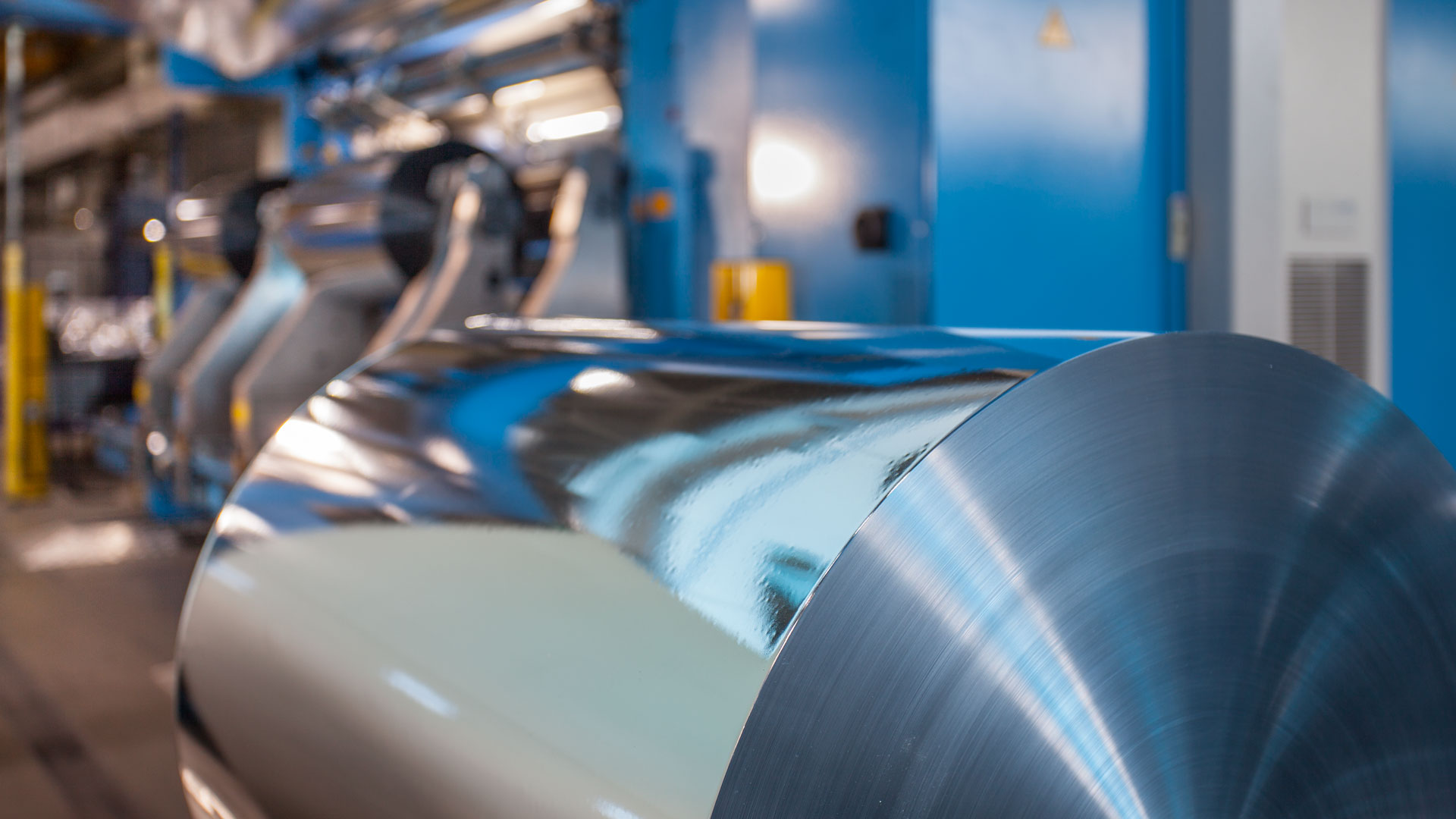
Oven Setpoint ≠ Actual Substrate Temperature. The oven controller describes equipment conditions. A moving strip, a thick component and a laboratory panel can follow different heat-up histories under the same setting. Record the substrate temperature over time. In metal coating, peak metal temperature helps describe the process, but a peak without the exposure history leaves the available reaction time uncertain.
Deblocking ≠ Complete Cure. Judge the baked film against the agreed end-use properties after consistent conditioning. Hardness alone cannot establish adhesion, resistance or forming behavior. A practical cure window is the thermal exposure over which the complete formulation meets its acceptance criteria without unacceptable substrate or film damage.
| Statement | What it describes | What still needs evidence |
|---|---|---|
| A supplier reports an activation temperature. | A defined analytical or product reference. | The method, resin reaction and formulated-film response. |
| An oven is set to a temperature. | The controlled equipment setting. | The actual substrate heat-up and exposure history. |
| A coating passes after a specified bake. | A result for stated test conditions. | Reproducibility and all required properties across the intended process limits. |
The useful evidence is the connection between these statements. Keep an activation reference, a measured process profile and a film-test result separate until a matched trial shows how they relate.
What does a one-component system improve—and what remains conditional?
A suitable 1K system can remove the need to meter and mix a separate reactive hardener immediately before application. It can also separate routine handling from deliberate heat activation. These are processing advantages, rather than proof of a particular shelf life or a superior coating.
Storage stability belongs to the complete package. Resin compatibility, catalyst, carrier, contamination and storage temperature all need consideration. Track viscosity, appearance and separation during the intended storage period, and confirm that aged material still develops the required film properties. Physical stability and retained cure response are separate acceptance criteria.
Neither "1K" nor "2K" establishes a performance ranking. Compare formulations under their intended processing conditions and the same end-use requirements. A 1K bake process may suit a controlled factory line; a different curing route may be needed where the part cannot receive that thermal exposure. Similar hardness does not establish equal durability.
What must the bake line handle besides crosslinking?
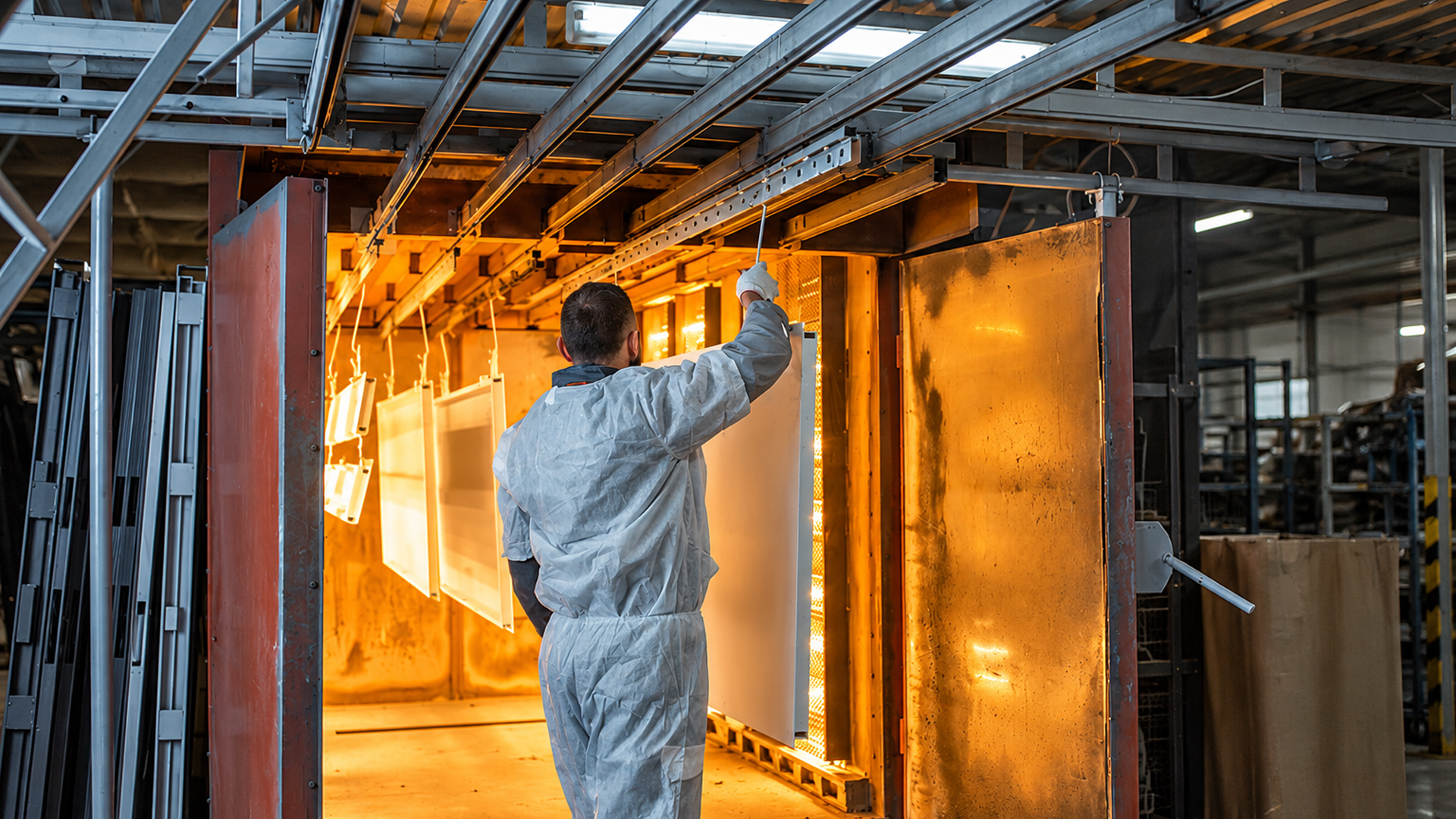
Carrier removal, heat transfer and reactive chemistry must fit the same process. Changing to a blocked crosslinker can alter drying, flash-off and exhaust demands. An existing applicator or oven is therefore a starting point for an engineering review, not proof that no equipment changes are needed.
Released blocking species must be considered where the chemistry generates them. Their fate depends on the reaction route and process: release does not mean that every molecule necessarily leaves the film unchanged. Check the current SDS and supplier process guidance, then assess ventilation, capture or treatment for the actual formulation and line. Solvent and water removal also remain part of that assessment.
"Water-based" does not establish solvent-free or emission-free processing. Dongsen's current range distinguishes water-soluble products using water as medium from water-dispersible products with an organic carrier. The coating's total carrier contribution must be evaluated from its complete formulation.
Where do application boundaries matter most?
Can a coil coating remain flexible after baking?
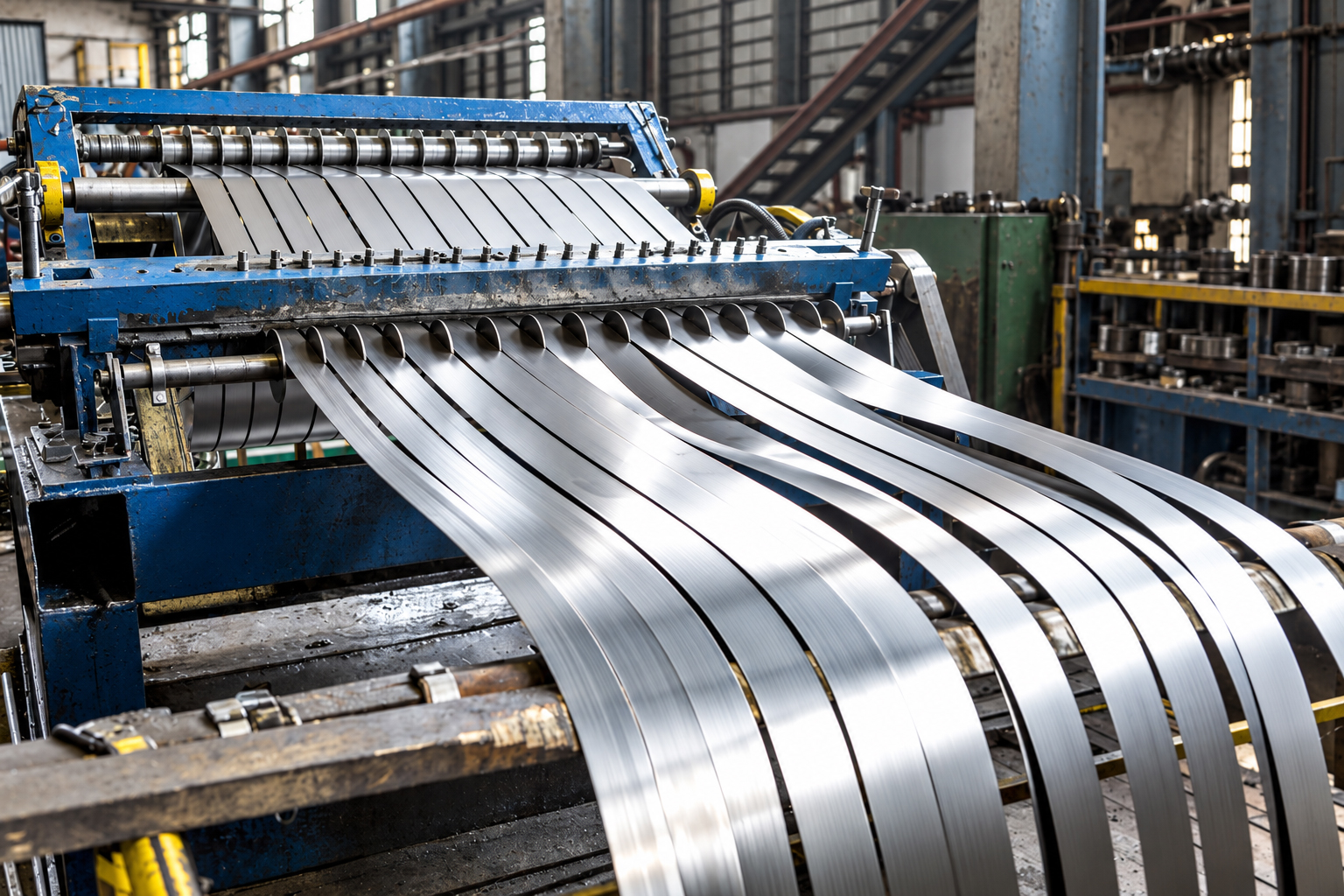
A coil coating may need to survive forming after cure while retaining adhesion and the required appearance and exposure resistance. Crosslinking is one formulation variable within that balance. Resin structure, reactive ratio, film thickness, pretreatment and bake history also matter. Include the intended bend or forming operation in the evaluation; a hard flat panel does not demonstrate crack-free post-forming.
For coated packaging, technical film testing and any regulated end-use qualification are separate questions. An application record or raw-material specification does not establish finished-article food-contact approval.
What about electrical insulation and enamel wire?
Electrical insulation and wire enamels are specialized coating contexts. A general blocked-polyurethane mechanism does not establish dielectric strength, thermal class or solderability for a particular formulation. Keep those properties outside a grade recommendation unless the relevant resin system, test methods and end-use qualification are documented. In particular, solderability must not be inferred simply from the presence of urethane bonds.
Are wood and plastics always excluded?
Heat sensitivity sets a process limit, rather than a universal material-category ban. Establish the permitted temperature and exposure duration for the actual substrate, including dimensional change and appearance requirements. Only evaluate a coating inside that envelope. A lower activation reference alone cannot prove that an acceptable film will develop before the substrate is damaged.
How does this chemistry relate to Dongsen’s crosslinker range?
Dongsen supplies raw-material hardeners and crosslinkers, not finished polyurethane coatings or the complete binder system. The crosslinker is one key formulation variable; it cannot alone establish the coating's final performance.
The Solvent-Based Blocked Isocyanates and Water-Based Blocked Isocyanates categories provide product-family entry points. Application Context ≠ Exact-Grade Recommendation. Use the selection guide for chemistry and grade screening once the resin and process constraints are known. Spec ≠ Performance. Product specifications describe the supplied material; they do not substitute for matched coating trials.
For a bounded example of supplied-material data, DXB-3375D HDI Trimer Blocked Polyisocyanate Crosslinker has solids of 75.0±2.0%, valid NCO of 11.2±0.5% and viscosity of 2500±1000 cps at 25°C in the current product reference. All values are typical and subject to the current TDS/COA. These describe the raw crosslinker, not a coating performance guarantee or an approved cure schedule.
To discuss a formulation, share the resin, substrate and measured bake conditions so the next question can be tied to the actual system.
Frequently asked questions
Does blocking make the coating cure at room temperature?
Blocking provides latent reactivity for the intended activation route; it does not establish ambient cure. Confirm the selected chemistry and demonstrated formulation process.
Does a dry surface prove that the film is cured?
A dry surface does not establish complete cure. Carrier loss, film formation and the development of required end-use properties must be distinguished.
Can I use the listed deblocking value as my oven setting?
A listed deblocking value is not an oven instruction. Its measurement basis and the substrate's time-temperature profile must be connected through formulation testing.
Does a stable crosslinker guarantee a stable 1K paint?
Crosslinker stability does not guarantee formulated-paint stability. Evaluate the complete blend through storage and then verify its retained cure response.
Does a water-based blocked crosslinker eliminate bake emissions?
A water-based designation does not establish zero emissions. Check carrier contributions, reaction products and the actual line's handling requirements.
Key takeaways
- Blocking can make delayed heat activation useful in a compatible 1K formulation.
- Keep activation data, substrate thermal history and demonstrated film properties as separate evidence.
- Storage behavior, drying and exhaust demands belong to the complete formulation and process.
- Application labels and crosslinker specifications cannot replace end-use testing.
Discuss your blocked-polyurethane formulation
Send the conditions below for a focused technical discussion and the current product documentation. A grade or bake schedule cannot be confirmed from the coating name alone.
- 🧪 Resin chemistry, reactive functionality and current formulation basis.
- 🔩 Substrate, pretreatment and intended dry-film thickness.
- 🌡️ Measured substrate temperature profile and available bake time.
- 📦 Carrier system, catalyst and required storage conditions.
- ✅ Target film properties, test methods and destination-market requirements.